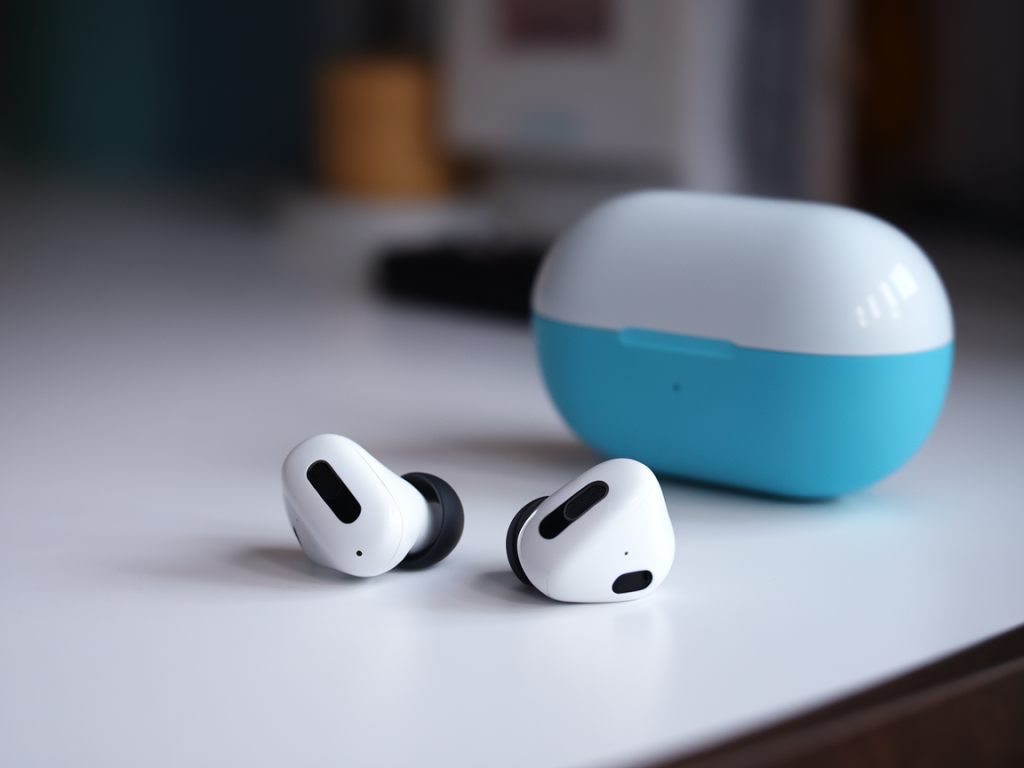
I test headphones and wearables for a living, and one question I keep getting from readers is: “Which true wireless earbuds under £100 can actually survive sweaty gym sessions and still keep calls sounding good?” It’s an important question — a lot of budget TWS models promise athletic-friendly features but fall short on comfort, ingress protection, or call performance. Below I walk through what matters for gym use, how I measure low-latency calls in practice, and the specific models that have impressed me for under £100 in the UK.
What “gym-grade” sweat resistance really means
IP ratings are where you should start. A lot of marketing will say “sweat resistant” without giving a rating; I always prefer an IPX rating because it’s a measurable standard.
- IPX4 – Resistant to splashes from any direction. Fine for sweat and light rain, but don’t submerge.
- IPX5 – Jets of water; better handling of heavy sweat and hose-downs (though repeated submersion is still a no-no).
- IPX7 – Can survive immersion in water for short periods; overkill for sweat but very reassuring for heavy users.
For a gym-focused purchase I aim for at least IPX4, and I’d prefer IPX5+ if you’re doing hot yoga or long outdoor runs where sweat and rain combine.
Low-latency calls — what to look for
Low-latency calls mean smooth, lag-free voice when speaking and listening. For video calls and interactive apps, latency and microphone clarity both matter.
- Bluetooth version – Newer Bluetooth (5.0+) tends to be more stable and power-efficient. It’s not the whole story, but it helps with consistent performance.
- Codecs – SBC is universal but not low-latency; aptX and AAC can help for media, but for voice calls you care more about microphone hardware and software processing (noise reduction, beamforming).
- Call processing (ANC & mics) – Active noise reduction for calls and multiple mics with beamforming make a big difference in loud gyms. Some budget earbuds include basic environmental noise reduction that actually helps other people hear you better.
- “Gaming” or low-latency modes – Some models include a low-latency mode designed for gaming; that also helps reduce A/V lag in video calls.
Fit and retention — the difference between staying in and falling out
If an earbud falls out mid-burpee it doesn’t matter how good the IP rating is. For gym use you need:
- Secure physical fit (wings or fins can help)
- Multiple ear tip sizes for a proper seal
- Lightweight design that doesn’t torque out with head movement
Try to test fit before you buy where possible; ear shapes vary a lot. I always recommend carrying spare tips in your gym bag — a slightly different size will often make the difference between slipping and locked-in.
My recommendations under £100 (UK market)
Below are the models I’ve used and would recommend if your priorities are sweat resistance and decent call performance without spending over £100. Prices fluctuate so I note typical UK street prices — check for discounts.
| Model | Typical price | IP rating | Why I recommend it |
| Anker Soundcore Life P2 | ~£40–£60 | IPX7 | Excellent sweat/water protection, good battery life, stable fit. Mic quality is good for the price, and they stand up to heavy sweat sessions without problems. |
| Soundcore Life P3 | ~£60–£80 | IPX5 | More punchy sound and ANC tech than the P2, low-latency “gaming” mode, and a secure fit. Good all-rounder for gym + casual use. |
| Jabra Elite 3 | ~£80–£100 | IP55 | Jabra’s call processing is one of the best in this price class — reliable voice clarity in noisy environments and a comfortable fit for workouts. |
| Google Pixel Buds A-Series | ~£79–£99 | IPX4 | Very good mic performance and sensible noise reduction for calls, easy connectivity on Android, and a comfortable, stable fit for exercise. Slightly less rugged than IPX7 options but performs well in real-world gym conditions. |
| JBL Tune 130NC / Tune 125TWS (model variants) | ~£50–£90 | IPX4 / IPX2 vary by model | JBL offers models with sporty tuning, decent mic performance on certain variants, and occasional discounts that bring higher-value features into this price bracket. Check specific model IP rating before buying. |
How I test call quality and latency for the gym
When I evaluate these buds I use a mix of objective and subjective tests tailored to gym scenarios:
- Place the phone on a treadmill or bike and take a call from a second line while exercising to check how my voice sounds to the other side. I note background clarity, voice volume, and clipping.
- Use a video call (Zoom/Teams) and observe A/V sync to get a feel for perceived latency. Some models include a “low latency” mode and I test with that both on and off.
- Test in real gym noise — music, weights, fans — because lab silence masks real-world issues. I pay attention to whether my voice drops out or gets buried.
- Measure comfort and retention after a 45–60 minute session involving running, jumping, and head turns.
Practical tips to get the best experience
- Enable any “low-latency” or “gaming” mode for video calls where available.
- Keep firmware updated — manufacturers often improve call performance via updates.
- Use the best-fitting ear tips — a good seal improves both bass and microphone isolation (others hear you better because less ambient noise bleeds into the mic).
- Aim for IPX5+ if you sweat heavily or plan outdoor training; IPX4 is ok for most indoor gym work.
- If call quality is mission-critical, prioritise brands known for vocal processing (Jabra, Google, some Soundcore models) over the cheapest anonymous buds.
Choosing the right pair is a balance: protection vs sound vs mic performance vs fit. If you want my short list: for the strictest sweat protection go Anker Soundcore Life P2 (IPX7), for the best all-round gym + calls balance consider Jabra Elite 3 or Soundcore Life P3, and if you use Android heavily the Pixel Buds A-Series are an excellent, reliable pick around the £80–£99 mark.