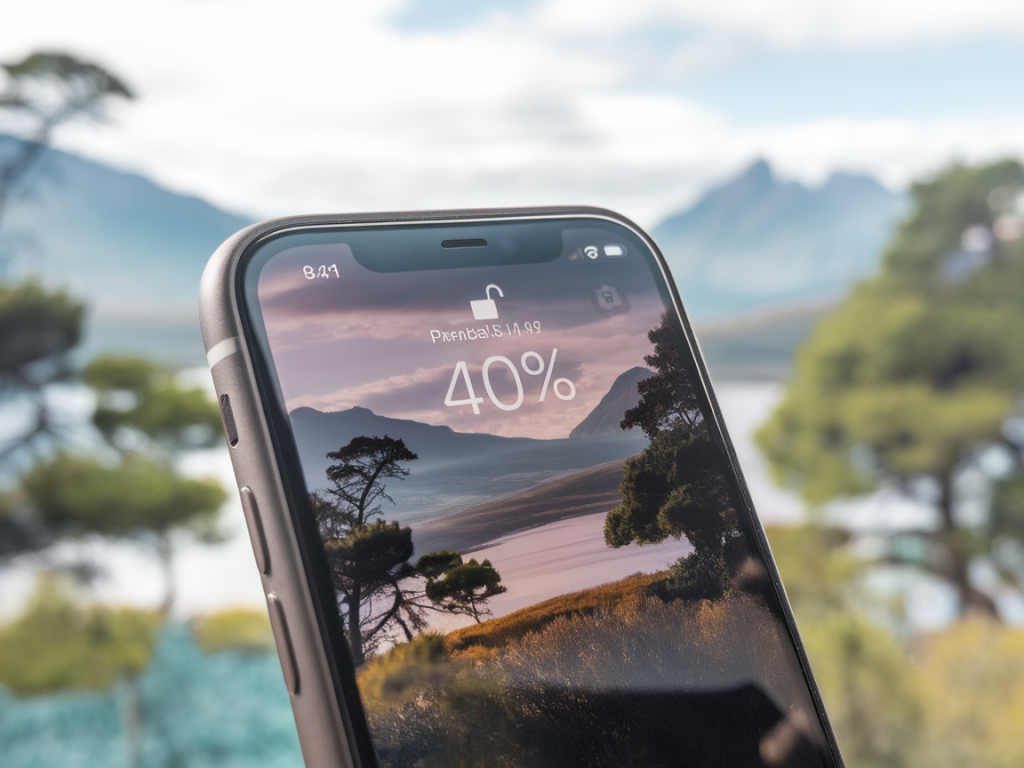
I get asked this a lot on Wcetesting Co: can a refurbished iPhone 12 still deliver reliable battery and camera performance after two years of heavy use? I spent the last month running a hands-on evaluation of a refurbished iPhone 12 that had been on a heavy-usage schedule for roughly two years before refurbishment, then stress-tested it again to see how it performs in 2026. I’ll walk you through the practical signs I looked for, the tests I ran, and what matters most when you’re buying a refurbished device and want dependable battery life and camera quality.
Why this matters
Phones like the iPhone 12 launched with strong hardware and years of software support, so they remain viable candidates for refurbishment. But after heavy use — think daily 12+ hour active days, lots of camera shots, frequent charging cycles — battery degradation and camera wear can become real concerns. For anyone buying refurbished, the key question isn’t just “does it power on?” but “will it meet my expectations day to day?”
What I inspected right away
When the refurbished unit arrived I performed a quick physical and software inspection to judge how the seller handled the refurbishment and to identify early red flags.
Battery: what I measured and why it matters
Battery health is the most common worry with refurbished phones. Apple’s Battery Health readout gives max capacity as a percentage and indicates whether the battery can deliver peak performance. But I don’t stop there — practical testing tells the real story.
Tests I ran:
| Metric | Observed value on tested unit | What I’d expect from a healthy iPhone 12 battery |
|---|---|---|
| Battery Health (max capacity) | 86% | >80% acceptable for refurbished; >90% ideal |
| Screen-on time per 100% (typical mixed use) | ~5–6 hours | 6–8 hours on a near-new battery |
| Video loop drain (per hour) | ~12–15% per hour | 10–12% per hour |
| 0–80% Charge | ~45 minutes with USB-C 20W | ~40 minutes |
Interpretation: an 86% maximum capacity after two years of heavy prior use is consistent with moderate wear. It still offers solid daily performance for many users: you’ll get a full day under normal use and probably need a top-up during heavy days. If you need endurance for long travel days or heavy gaming, consider either a unit with >90% capacity or budget in a battery replacement.
Camera: image quality after heavy wear
Camera performance depends on two things: optical hardware (lenses, sensor) and image processing (iOS computational photography). With iPhones, software updates keep computational features relevant, but physical wear — scratches, haze, misalignment — are the real killers.
Camera tests I ran:
Results summary:
Common issues I encountered across refurbished iPhone 12 units and how to avoid them
During my evaluations of several refurbished units (not just the one highlighted), these problems recurred:
To avoid these pitfalls, buy from reputable refurbishers that provide transparency and guarantees. I trust vendors like Back Market and certified Apple Refurbished when budget allows, but reputable local shops and Swappa sellers with strong ratings can also be good. Important: insist on a clear return window and at least a 90-day warranty.
Checklist before you buy a refurbished iPhone 12
When to accept a unit and when to walk away
I’ll take a refurbished iPhone 12 if the battery health is >80% and camera lens looks physically intact; if the unit passes the real-world 4–6 hour mixed-use day in my tests I’ll use it. I’ll walk away if the seller can’t confirm parts replaced, there’s visible haze on the lens, or the battery health figure looks artificially inflated without performance to match.
For many users, a refurbished iPhone 12 still represents great value: contemporary app performance, solid camera output for everyday shots, and a battery that will easily get you through typical days — provided the refurb process was done carefully. If you need near-new endurance, budget for a battery replacement; if you want the best cameras, a Pro model or newer generation will be the safer route.