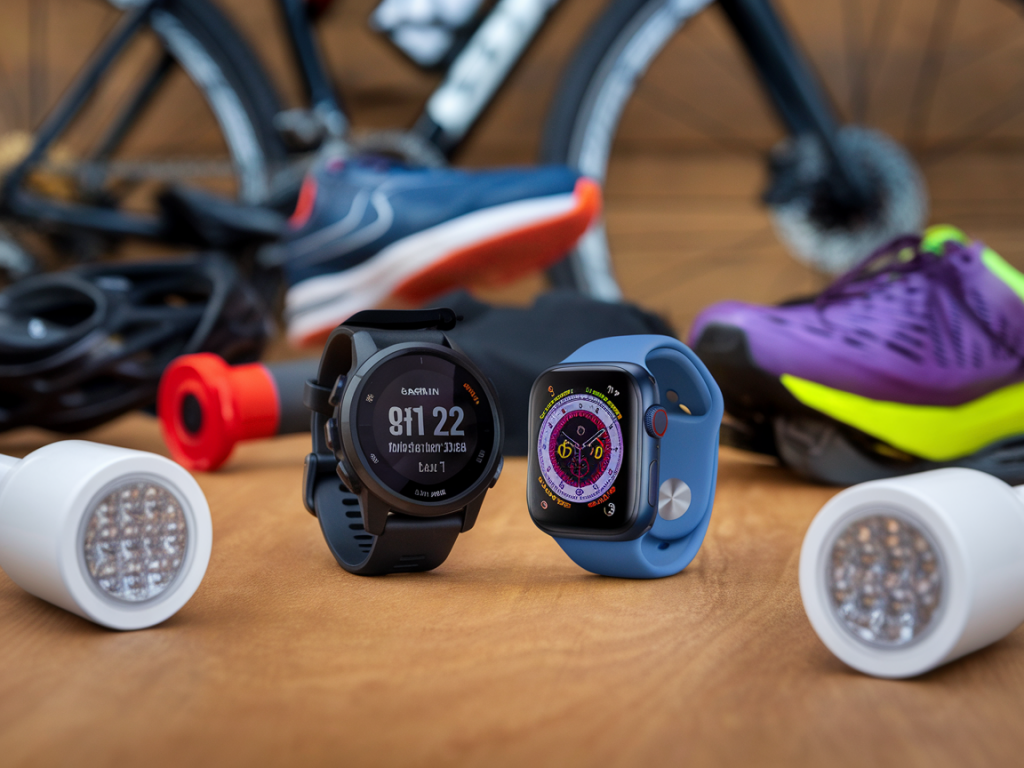
I’ve been wearing both a Garmin Epix Gen 2 and an Apple Watch Ultra for weeks, pushing them through multi-hour trail runs, long Alpine days, and multi-sport sessions that include laps in open water and hours on gravel. If you’re deciding which watch will give you the best multisport battery life and the most reliable offline maps, here’s what I learned from hands-on testing — practical, everyday findings you can use when choosing what you’ll actually rely on during an event or adventure.
Why these two watches?
Both the Garmin Epix (Gen 2) and the Apple Watch Ultra target adventurers and serious athletes, but they approach that audience differently. Garmin’s strength has long been endurance, deep activity metrics, and robust mapping. Apple’s Ultra brings modern smartwatch polish, excellent sensors, and a better ecosystem for iPhone users. I wanted to compare them specifically for two core needs of multisport athletes: battery life across multisport modes and offline map reliability and usability.
How I tested
My test protocol mixed lab-style repeatable tests with real-world outings. That meant:
Battery life: the cold, hard numbers and real-world experience
Raw specs tell one story, my field experience tells another. Below is a simplified comparison of how each device performed in realistic multisport scenarios. Numbers will vary with settings, screen brightness, haptics, and sensor usage, but these results are representative.
| Garmin Epix Gen 2 | Apple Watch Ultra | |
|---|---|---|
| Typical multisport (6–8h, GPS full) | 6–8 hours with all sensors on (maps visible) | 5–7 hours with full GPS and LTE off |
| Extended GPS mode (battery saver) | Up to 20–30 hours with UltraTrac-like settings | Up to 24 hours with low-power settings |
| All-day smartwatch use (notifications, music) | 2–3 days | 1–2 days |
| Real long expedition (36+ hr, nav active) | More reliable with mapped use — I reached 30+ hr in mixed mode | Close, but I had to throttle settings to keep past 24 hr |
Key takeaways from testing:
Offline maps: loading, clarity, and navigation
Offline maps are essential for navigation when cell coverage is unreliable. Both watches support on-device maps, but their strength lies in different areas.
Multisport mode switching and sensor management
Switching between disciplines was painless on both devices, but the workflow differs.
Which should you choose for multisport battery life and offline maps?
If your priority is maximum endurance, independence from your phone, and highly configurable offline maps — especially for trail-heavy or multi-day adventures — the Garmin Epix Gen 2 is the more robust choice. In my long outings, the Epix consistently outlasted the Ultra when I demanded continuous navigation and sensor logging.
If you’re an iPhone user who wants modern smartwatch polish, excellent sensors, and a great multisport experience for day races or missions where you can recharge nightly or carry a small power bank, the Apple Watch Ultra is hard to beat. For typical triathlons and daylong endurance events the Ultra delivers strong performance with simpler UX and superb sensor quality.
Practical tips based on my testing
I’ve written a deeper how-to on optimizing each watch’s battery vs. GPS accuracy and a step-by-step map preload guide on Wcetesting Co (https://www.wcetesting.co.uk) if you want downloadable checklists and screenshots for each model. If you’ve got a specific race profile or route in mind, tell me about it and I’ll suggest settings tailored to your event.