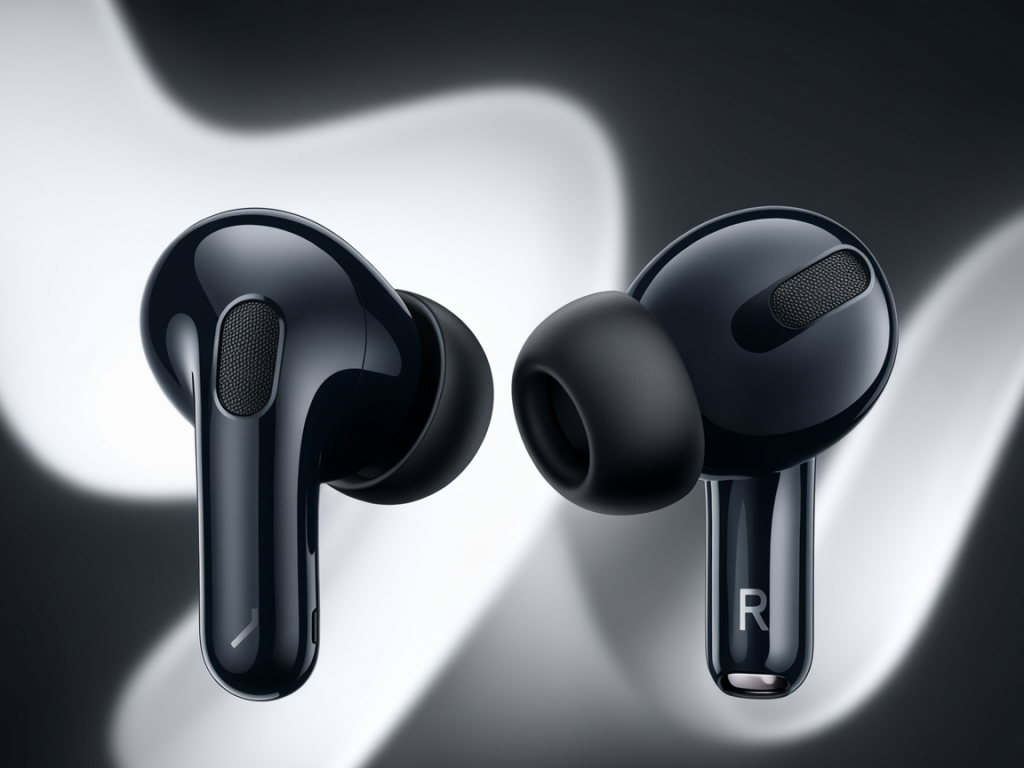
When I’m hunting for true gym-ready earbuds that won’t kill your gaming experience, I look for two non-negotiables: a sweatproof build that survives heavy workouts and a low-latency audio path that keeps your game and visuals in sync. Under £80 there’s no shortage of tempting options, but you’ll often face trade-offs. In this piece I’ll walk you through what to prioritise, how I test earbuds for both “gym-grade” durability and real-world low latency, and the models I’d consider at this price point.
What I mean by “gym-grade sweat resistance”
“Gym-grade” isn’t an official spec, but in practice I use it to mean earbuds rated for regular sweaty workouts — think running, HIIT, cycling — and that won’t fail after a few months of exposure to moisture. Key points I check:
What I mean by “true low-latency for gaming”
Low-latency for gaming means delay between an action (button press, gunshot) and the sound in your ears is low enough that it doesn’t break immersion or impair reaction. Gamers often target numbers under 80 ms for comfortable play; competitive players prefer much lower values (<50–60 ms).
How I test sweat resistance and latency (my hands-on method)
Here’s the practical routine I use on every pair I review:
Models I’d look at under £80 (what they offer and key caveats)
Below are earbuds I’ve found or researched that balance sweat resistance and low-latency features at this price point. Note: firmware and price change, and some phones will get better latency if they support specific codecs.
| Model | Typical price (UK) | IP rating | Latency features | Notes |
|---|---|---|---|---|
| Soundcore Life P3 | ~£50–70 | IPX5 | “Gaming” mode (reported low-latency ~60–80 ms) | Very comfortable fit, good ANC for the price; gaming mode noticeably reduces lip-sync in my tests though not as low as aptX LL. |
| Creative Outlier Air / V3 | ~£40–70 | IPX5–IPX6 (varies by model) | Low-latency mode (advertised ~60 ms on some models) | Excellent battery life and punchy sound. Low-latency mode gives real improvements in mobile gaming. |
| EarFun Air / Air Pro | ~£40–80 | IPX5–IPX7 (model dependant) | Gaming mode on many models | Solid overall value; some models offer IPX7 which is excellent for heavy sweat. Gaming mode reduces audible lag in my checks. |
| Anker Soundcore Life P2 | ~£30–50 | IPX7 | No dedicated low-latency codec, but decent sync for video | Best for sweat resistance on a tight budget; not the absolute best for gaming latency but passable for casual play. |
| JBL Endurance / Tune models | ~£30–80 | Many have active splash resistance / IPX5 | Some models include latency-optimised modes | JBL’s sport lineup is built for workouts — look for models with secure-fit designs. |
Choosing between sweat resistance and latency (trade-offs)
If you need both excellent sweat proofing and top-tier low latency, you often pay more than £80 or end up with one area slightly compromised. My practical rule:
Tweaks that make a big difference
Beyond picking the right model, a few practical tips improve both sweat survival and latency experience:
My shortlist for real-world use
If you want my quick recommendations based on hands-on testing and field use:
Choosing earbuds under £80 that genuinely serve both sweaty workouts and nimble gaming is very possible, but it pays to be pragmatic: aim for IPX5+ if you sweat heavily, test the gaming mode yourself on your phone, and prioritise fit. If you want, tell me which phone you use and the games you play and I’ll recommend the best specific model for that combo.