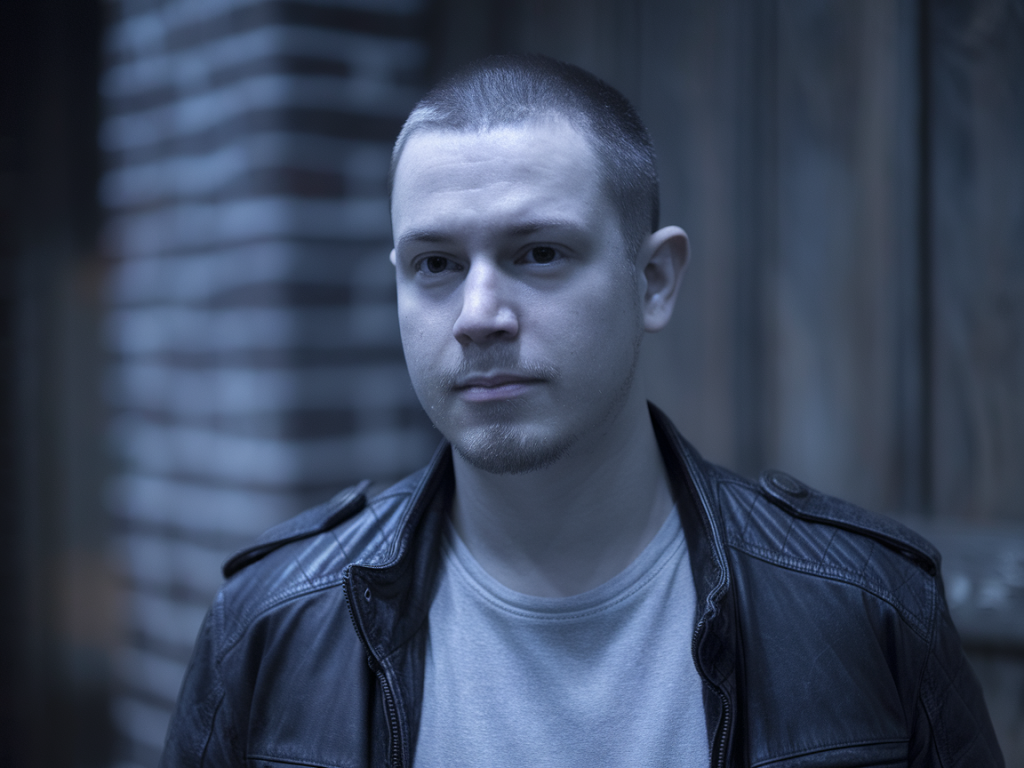
I wanted to find out whether the Pixel 8a could get close to the Pixel 8’s low-light portrait chops if I used third-party camera apps. On paper, the Pixel 8 has advantages: a larger main sensor, the Tensor G3 image pipeline, and Google's latest computational tricks. But in real-world use, software can sometimes close gaps hardware creates. I spent several evenings shooting the same scenes with both phones using Google Camera, a popular GCam port, Halide, and Open Camera to see whether third-party apps could level the playing field.
Why this matters — and what I tested
People often upgrade for camera performance but don’t always want to pay top dollar. The Pixel 8a is positioned as a more affordable option, and if third-party apps can reliably improve its low-light portrait quality, that’s useful for photographers who like to tinker. I focused on portraits specifically because they stress multiple parts of the camera system: sensor sensitivity, bokeh and depth estimation, face-aware processing, color rendering, and edge handling under mixed light.
Here’s the practical setup I used for repeatable comparisons:
Hardware and software differences that matter
It helps to be explicit about what’s different between the two phones before diving into the photos:
| Pixel 8 | Pixel 8a | |
|---|---|---|
| Main sensor | Large 50MP sensor (oversampled) | Smaller 64MP sensor (pixel binning) |
| Processor & ISP | Tensor G3 (latest image pipeline) | Tensor G2 (older image pipeline) |
| Optics | Faster lens, slightly wider aperture | Good, but less light-gathering |
| Software features | Latest Night Sight, Portrait Light, Face Unblur refinements | Most Google features available, but some processing is slower |
Those hardware and software differences aren’t trivial — the Pixel 8’s sensor+ISP combo gives it an inherent edge for low-light dynamic range and noise control. But third-party apps can exploit different processing paths (e.g., RAW capture + external merging) and sometimes enable camera APIs that access more low-level features.
Which third-party apps I tried and why
Not all third-party apps are created equal. I chose ones that are either widely used in the Pixel community or offer RAW and manual control that can change the end result.
What I looked for in portraits
My comparison focused on practical outcomes that matter for portraits, especially in low light:
Findings — where third-party apps helped
RAW capture made the biggest difference on the Pixel 8a. Shooting RAW (DNG) with Halide or GCam ports allowed me to pull back highlight clipping and recover shadow detail in a way that the Pixel 8’s aggressive on-device Night Sight sometimes protected against by default. In practical terms:
Where the Pixel 8 still wins
Even with third-party help, the Pixel 8 kept clear advantages in several portrait-specific areas:
Practical advice — how to get the best from a Pixel 8a
If you own a Pixel 8a and want to narrow the gap to a Pixel 8 for low-light portraits, here’s what I recommend:
Examples that helped me decide
Two shooting scenarios made the differences obvious to me. In a dim café with warm accent lights, the Pixel 8 produced pleasing skin tones and a natural falloff to the background with a believable bokeh. On the 8a, Halide RAW plus Lightroom got me close on color and noise but the hair edges were still softer and occasionally showed processing halos.
In a streetlight portrait at night with bright lights behind the subject, the Pixel 8 handled flares and preserved highlight detail better. The 8a with GCam and post-processing reduced some noise and improved dynamic range, but small blown highlights and a slightly flatter depth rendering remained.
All that said, for many casual shooters the 8a plus a smart third-party workflow will be “good enough” and sometimes indistinguishable in social-size images. If you’re printing large portraits, need consistent pro-level output, or rely on seamless point-and-shoot reliability in mixed lighting, the Pixel 8 remains the more forgiving tool.