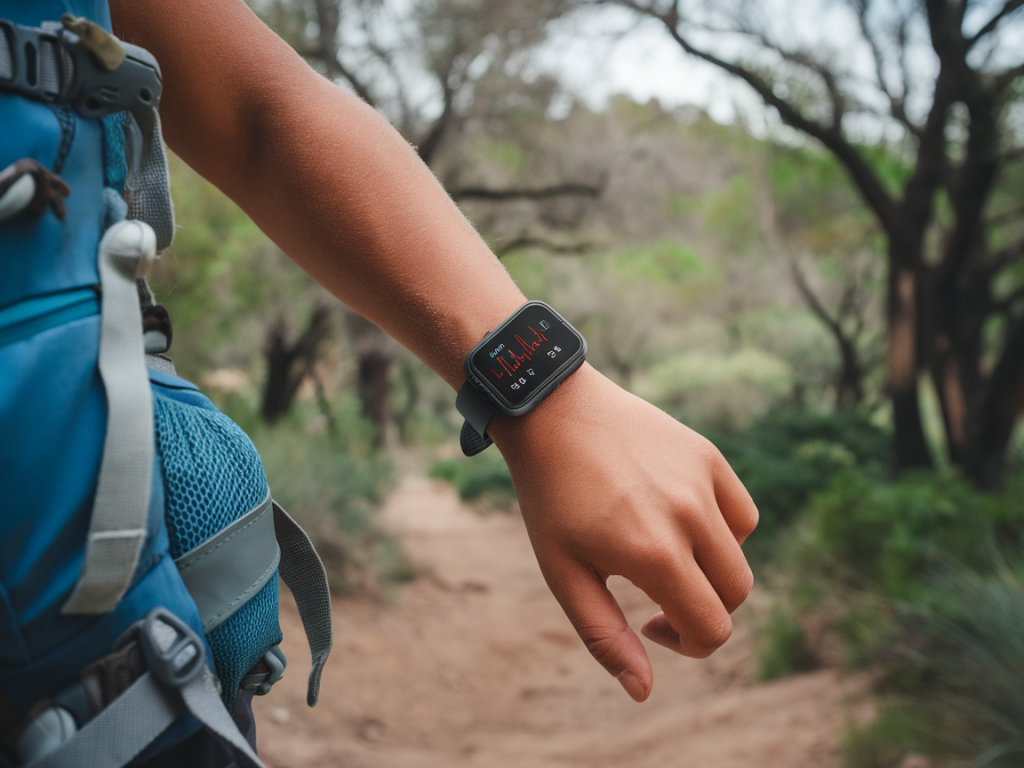
When I go for long runs in cold, windy weather or push a tempo session up a steep trail, I want two things from my wearable: reliable heart-rate data I can trust in the moment, and SpO2 readings that actually mean something instead of being a noisy number that changes every minute. Over the years I’ve tested watches and straps in the lab and the field, and I’ve learned that the “most accurate” device depends on what you value most — raw heart-rate fidelity (especially during high intensity or intervals), continuous SpO2 tracking during runs at altitude, battery life, or the convenience of a single wrist device.
What really matters for runners: HR vs SpO2
First, a quick distinction. Heart rate is the cornerstone of training load, intensity zones, recovery and pacing. For endurance athletes, HR accuracy during sprints, VO2-style intervals and long steadies is crucial. SpO2 (blood oxygen saturation) is less useful for day-to-day pacing for most runners, but becomes important if you train at altitude, monitor for sleep-disordered breathing, or want an additional metric for recovery and illness detection.
For outdoor runners the priority order usually looks like this:
Immediate heart-rate accuracy during variable intensity (intervals, hills, surges)Reliable HR during long steady-state runs (no drift over hours)SpO2 that’s stable and meaningful — especially if using for altitude trainingBattery life and ruggedness for multi-hour or multi-day adventuresHow I test heart rate and SpO2 for running
I test devices using a combination of lab and real-world methods:
Comparisons to ECG-based chest straps (Polar H10, typically treated as a gold-standard for HR) during interval sessions and steady-state runs.Controlled treadmill protocols that include accelerations, decelerations and cadence changes to provoke motion artifacts.Outdoor sessions across surfaces — road, gravel, trail — and in weather extremes (cold, rain, humidity) because sweat, temperature and vibration all impact sensors.Simultaneous SpO2 checks with medical-grade fingertip pulse oximeters at rest, post-effort and at altitude where possible. For continuous SpO2 I compare the trend behaviour more than absolute values, since wrist sensors are still less precise than fingertip devices.Why wrist-worn HR & SpO2 can fail during runs
Understanding failure modes helps choose the right kit:
Motion artifacts: Optical sensors read blood volume changes. Fast arm swing, tendon movement and skin stretch make the signal noisy.Fit and placement: A loose watch or one sitting over a bone gives poor contact. Tight, stable fit above the wrist bone is crucial.Skin tone and tattoos: Darker skin and ink absorb more light; manufacturers compensate with stronger LEDs or multi-wavelength sensors, but variability remains.Cold and peripheral vasoconstriction: In the cold, blood flow to the wrist decreases and readings suffer. Warmth or indoor warm-up helps.Algorithm differences: Two watches with identical sensors can produce different numbers because of filtering and artifact rejection.Which wearables do I trust most for outdoor running?
Here’s a practical list of devices I recommend depending on your priorities.
For pure HR accuracy (intervals & racing): A chest strap like the Polar H10 paired with a watch (Garmin/Coros/Polar) remains the most reliable. If you insist on wrist-only, the Apple Watch Ultra and Garmin’s high-end watches (Forerunner 965, Fenix 7/8 series, Enduro) are consistently close to chest-strap HR during steady runs and moderate intervals. But expect occasional lag on very high-intensity surges.For SpO2 tracking at altitude: Garmin devices with Pulse Ox (Fenix/Forerunner/Enduro) and the Coros Vertix series provide useful trend data. Apple Watch provides spot-checks and background monitoring but isn’t optimized for continuous SpO2 during runs. Remember: wrist SpO2 is directional — it shows trends, not clinical precision.Best all-rounders for trail ultras: Coros Vertix / Apex Pro and Garmin Enduro/Fenix because they pair durable hardware, long battery life and better HR algorithms. If you need a reliable SpO2 trace for rapid altitude changes, Coros and Garmin tend to update sensors/firmware more aggressively for outdoor use.If you want premium smartwatch features with good HR: Apple Watch Ultra gives excellent optical HR in many conditions and a polished ecosystem for running apps, but battery life for long ultra runs is shorter than dedicated GPS watches.Quick product comparison
| Device | HR accuracy (running) | SpO2 usefulness | Battery | Notes |
|---|
| Polar H10 (chest strap) | Excellent (ECG-grade) | N/A (no SpO2) | ~1 year sensor life/battery replaceable | Gold standard for training accuracy |
| Garmin Fenix/Forerunner/Enduro | Very good (close to chest strap; occasional lag) | Good for trends, alt training | Long (20+ hrs GPS to multi-days) | Robust outdoor features and mapping |
| Coros Vertix/Apex | Very good; strong under motion | Good trend tracking | Excellent (multi-day modes) | Excellent battery; favored for long multi-day races |
| Apple Watch Ultra | Good-excellent (strong during steady state) | Spot checks and background monitoring | Moderate (12-36 hrs depending on mode) | Best app ecosystem; less battery for ultras |
| Whoop (band) | Good for daily HRV and recovery; not real-time on-display | Not primary feature | Moderate | Subscription model; focus on recovery metrics |
Practical tips for more accurate readings on runs
Small changes make a big difference:
Tighten the watch so it doesn’t slide but avoid cutting off circulation — it should sit high on the wrist, not over the wrist bone.Warm up indoors or with a brisk walk so peripheral blood flow improves before you rely on HR or SpO2 data.Use filters sparingly — some apps smooth HR aggressively and mask real spikes. For training, prefer raw or fast-response HR when doing intervals.For serious monitoring, pair a chest strap for HR and use wrist SpO2 only for trends or sleep/altitude monitoring.Keep firmware updated — sensor and algorithm improvements arrive frequently and can dramatically improve performance.When to choose a hybrid approach
My go-to for critical sessions is simple: a chest strap for HR + a Garmin or Coros watch for GPS, SpO2 trend and battery life. That combination gives near-clinical HR accuracy for workouts and trustworthy SpO2 trends for altitude or recovery monitoring while keeping the convenience of a single device during easy runs.
In short: if you want the most accurate heart rate while running, nothing beats a chest strap. If you want the best wrist-only compromise, look at high-end Garmin and Coros watches or the Apple Watch Ultra for a more daily-driven smartwatch. For SpO2, use wrist devices for trends and fingertip oximeters for clinical accuracy — and always consider environmental and fit factors that influence readings in the real world.