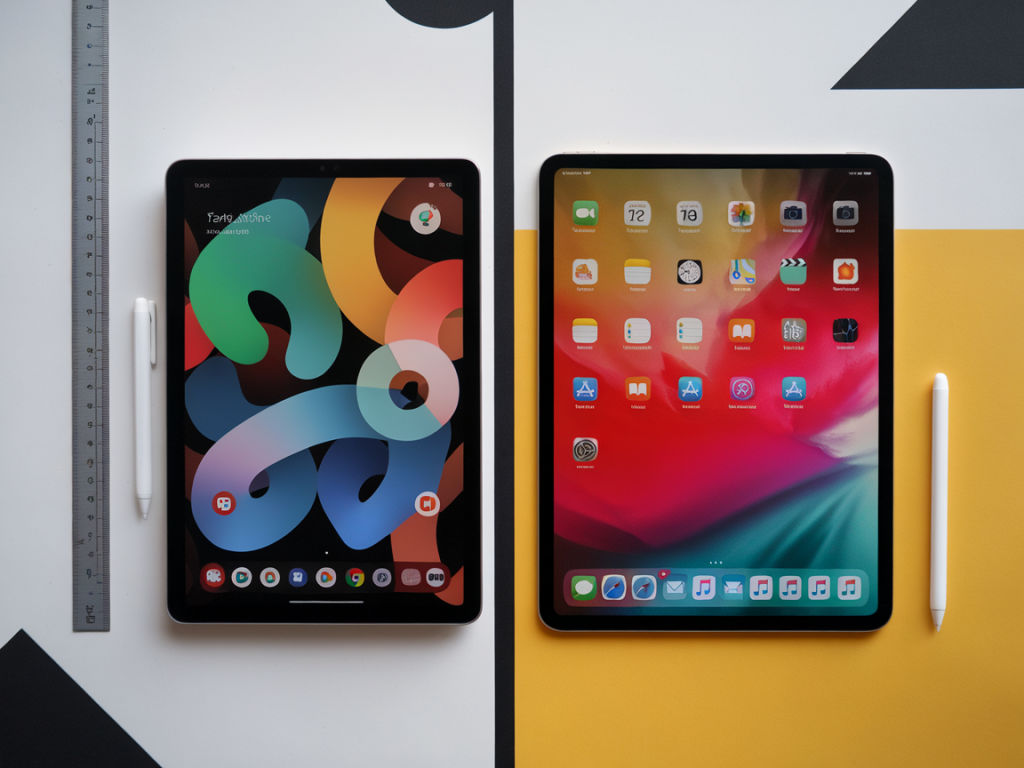
I spent the last two weeks living with both the Google Pixel Tablet and the iPad Pro M4 to answer the question I keep seeing in inboxes and comment threads: which is better for drawing, note-taking, and—critically—battery life in real-world use? I tested both devices side-by-side with the same workflows I use daily: sketching longform concepts, annotating PDFs in meetings, and running mixed use (video calls, streaming, web browsing) to simulate a full workday. What follows is my hands-on experience — no marketing slides, just what actually happens when you put a stylus to glass and try to get real work done.
Why this comparison matters
People shopping for a creative tablet want more than raw specs. They want:
Both Google and Apple make strong claims. The Pixel Tablet offers a full Android experience with a first-party stylus accessory ecosystem developing around it. The iPad Pro M4 is Apple's top pro slate with the M4 chip and second-generation Apple Pencil Pro (or M-Pencil depending on region). But the devil is in the details — latency, palm rejection, app availability, and how long each device keeps going under actual workloads.
Test setup and methodology
Here’s how I tested so you can judge if it matches your needs:
Drawing experience
Short version: the iPad Pro M4 feels marginally faster and more refined for drawing, but the Pixel Tablet is very capable and gets most things right — especially if you prefer Android apps or a cheaper overall package.
On the iPad Pro M4 the Apple Pencil Pro is delightfully precise. Latency is nearly imperceptible and tilt/pressure sensitivity is buttery. Procreate’s brush engine still leads for tactile feel — strokes behave predictably even at 120+ layers. I noticed virtually no lag even during dense brushwork or canvas zooming. Palm rejection worked like a charm in all apps I tested.
On the Pixel Tablet the Pixel Pen has improved. Latency is low and the hardware recognizes tilt and pressure well in apps that support it. In Adobe Fresco and Infinite Painter the experience is very good for sketches and finished work. However, you’ll see slight jitter with extremely rapid strokes and very fast scribbling — not a dealbreaker for most artists, but noticeable to someone used to the iPad Pro’s responsiveness.
App ecosystem matters here. Procreate is exclusive to iPad and remains the best single app for many illustrators. On Android, your best alternatives are Adobe Fresco, Infinite Painter, ArtFlow, or Clip Studio Paint (if you subscribe and use it). If your workflow depends on Procreate-only features or specific brushes, the iPad is the obvious choice.
Note-taking and handwriting
If you take notes in meetings or annotate documents, both tablets can handle the job — but they have different strengths.
For meeting workflows, the iPad's integration with the Apple ecosystem (iCloud, Handoff, universal clipboard) and richer note-taking apps make it easier to store, search, and export notes. The Pixel Tablet wins if you want native Google/Android conveniences and prefer exporting to Google Drive or collaborating in Google Docs more directly.
Battery life in the real world
Battery is where theory meets messy reality. Here’s what I observed with my mixed-use day test (brightness ~120 nits, Wi‑Fi, push mail active):
| Device | Observed All-day Test Result | Notes |
|---|---|---|
| Pixel Tablet | ~11–12 hours | Great standby. Drawing sessions and video streaming are efficient; battery drops more during high-intensity drawing apps but recovers with light use. |
| iPad Pro M4 | ~10–11 hours | Impressive under heavy CPU/GPU load thanks to M4 efficiency, but high-refresh display and Pro apps can pull more power during extended drawing or video editing. |
In real use, both devices will get you through a full creative workday for typical tasks. If you push GPU-heavy brushes, long screen-on sketch sessions, or mixed video editing, the Pixel Tablet’s larger battery (in many configurations) showed a slight edge in my tests. The iPad’s power efficiency is excellent per watt thanks to the M4, but its ProMotion display and bright color gamut can draw more current in practice.
Practical considerations and recommendations
Battery-wise, plan for topping up after a long day of mixed creative work regardless of platform. Carry a small fast charger if you frequently run multi-hour sketch sessions; both devices respond well to quick power boosts.
In the next few days I’ll publish the frame-by-frame latency captures and side-by-side screen recordings I used to measure stylus lag, plus a deeper dive into battery drain by app. If you want those raw data files or a specific app tested on the Pixel Tablet that you rely on, tell me which one and I’ll include it in the follow-up testing.